

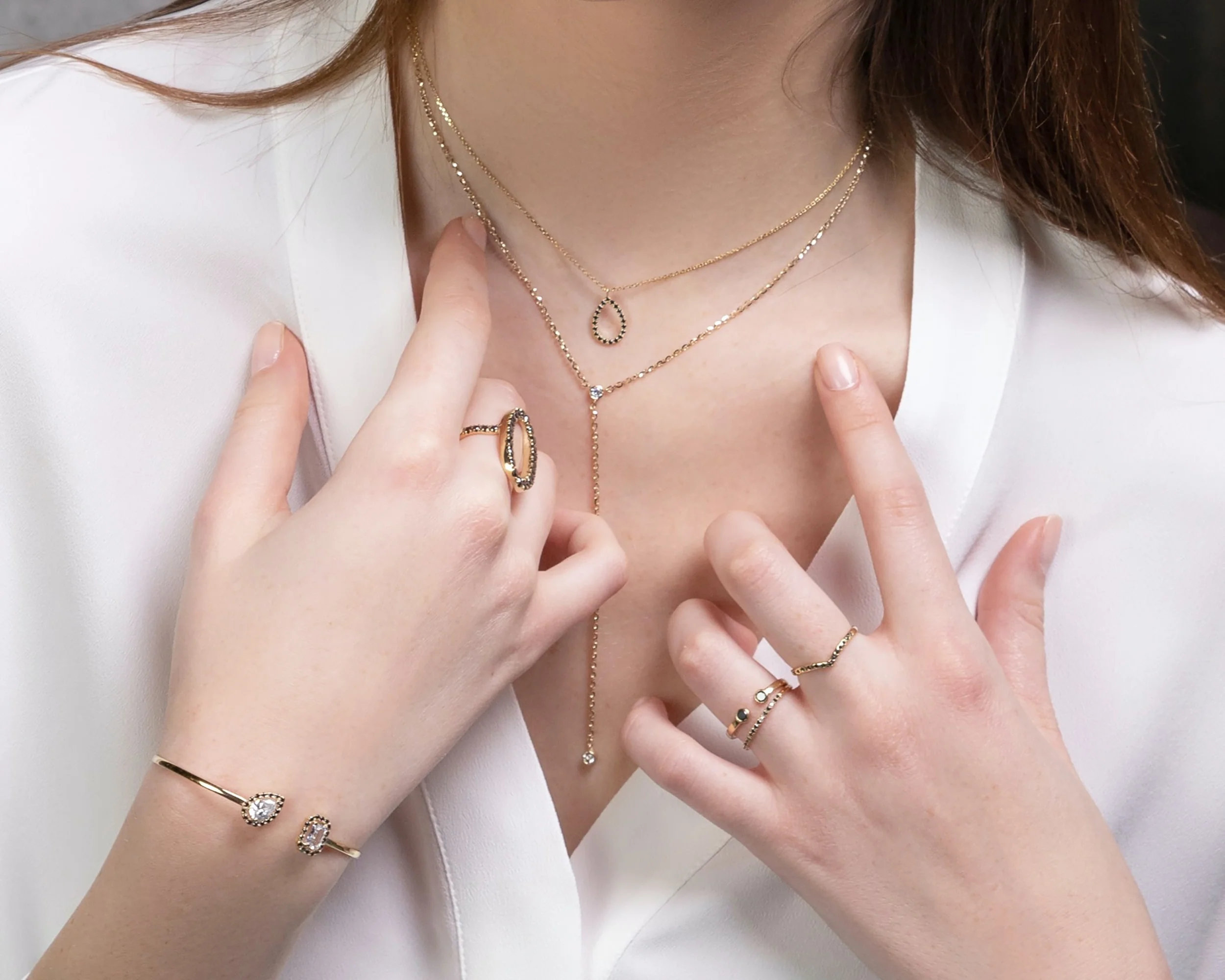
Jewelry is an incredibly personal expression of style, serving as the definitive finishing touch to any wardrobe ensemble. While selecting the right gemstones, silhouettes, and layering techniques is vital, the base metal of your jewelry plays the most significant role in how a piece interacts with your natural appearance. Have you ever noticed that a particular gold necklace makes your complexion look radiant and alive, while a silver chain leaves you looking slightly washed out or fatigued? This phenomenon is not accidental. It is the direct result of how color theory applies to your unique skin chemistry.
Choosing the right metal color is not about restricting your choices based on arbitrary rules; rather, it is about unlocking the science of illumination. When the metal resting against your skin complements your natural undertones, it creates a harmonious visual continuity that enhances your overall features. Conversely, mismatched metal tones can create a harsh contrast that detracts from your natural beauty. This comprehensive guide details the precise methods for determining your skin tone, matching it to the perfect precious metals, and learning how to break the rules with confidence.
Skin Tone vs. Skin Undertone: The Essential Distinction
To successfully navigate the world of fine jewelry metals, you must first understand the critical difference between your surface skin tone and your skin undertone.
Your surface skin tone is the color that is immediately visible to the naked eye, such as fair, medium, olive, or deep. This surface color can fluctuate significantly throughout the year depending on sun exposure, seasonal changes, or lifestyle factors.
Your skin undertone, however, is the permanent, subtle hue that resides just beneath the surface of your skin. This underlying color is determined by genetics and remains exactly the same regardless of how tan or pale you become. Undertones are generally categorized into three primary divisions: cool, warm, and neutral. Mastering the identification of this subsurface hue is the true secret to choosing the most flattering jewelry metals.
How to Determine Your True Skin Undertone
Discovering your natural undertone does not require professional consultation. You can accurately identify your category by performing a few simple, highly reliable diagnostic tests at home in front of a window with natural daylight.
The Vein Analysis Test
Examine the veins on the inside of your wrist under natural lighting.
-
Cool Undertone: If your veins appear predominantly blue or purple, you belong to the cool category.
-
Warm Undertone: If your veins possess a distinct greenish or olive cast, you belong to the warm category.
-
Neutral Undertone: If your veins appear blue-green, or if they match the surface color of your skin so closely that you cannot definitively categorize them, you possess a neutral undertone.
The White Paper Comparison Test
Wash your face completely to remove all makeup, oil, and topical products. Hold a clean, crisp sheet of bright white computer paper next to your neck and collarbone in front of a mirror reflecting natural sunlight. Observe how your skin appears in comparison to the stark white paper.
-
Cool Undertone: Your skin will display distinct pink, rosy, or blue-red hues against the white backdrop.
-
Warm Undertone: Your skin will project a golden, yellow, peachy, or warm honey appearance.
-
Neutral Undertone: Your skin will look balanced, exhibiting a slightly grayish or muted quality without leaning aggressively toward pink or golden tones.
The White vs. Cream Fabric Test
Take two pieces of clothing or fabric: one in a stark, bright optic white and the other in a soft, warm cream or ivory shade. Hold each fabric under your chin.
-
Cool Undertone: Bright optic white makes your face look vibrant and alert, while cream makes you appear slightly dull or tired.
-
Warm Undertone: Cream fabric illuminates your skin, giving you a healthy glow, whereas stark white makes you look stark and pale.
-
Neutral Undertone: Both fabrics look equally flattering against your complexion without causing any visible discoloration.
Matching Metals to Your Undertone Profile
Once you have identified your underlying profile, you can select precious metals that naturally align with your biology to create an effortlessly cohesive aesthetic.
The Perfect Metals for Cool Undertones
Cool undertones harmonize beautifully with white metals. These metals mirror the crisp, bright properties of your skin, accentuating the underlying pink and blue hues.
-
Sterling Silver: A classic, bright option that offers excellent daily versatility and exceptional light reflection.
-
White Gold: A luxurious choice featuring a rich weight, typically coated in rhodium plating to provide a dazzling, ultra-bright white finish.
-
Platinum: The ultimate hypoallergenic luxury metal, offering a deep, lustrous white-gray tone that feels substantial and resists tarnishing indefinitely.
The Perfect Metals for Warm Undertones
Warm undertones find their natural counterpart in rich, golden metals. These metals amplify the natural golden or olive glow of your skin, adding warmth and vitality.
-
Yellow Gold: Traditional yellow gold, particularly in higher karats like 14k, 18k, or 24k, offers a rich radiance that blends beautifully with warm complexions.
-
Brass and Bronze: Casual, earthy alternative metals that develop an incredibly deep patina, emphasizing the warm, golden elements of your style.
-
Copper: A distinct, rich metal featuring deep red-orange undertones that naturally highlight the deep warmth of olive and golden skin frames.
The Perfect Metals for Neutral Undertones
If you possess a neutral undertone, you are uniquely fortunate. Your skin does not fight against cool or warm frequencies, meaning you have a wide, open canvas to explore.
-
Rose Gold: This soft, romantic alloy of gold and copper looks exceptionally beautiful on neutral skin tones, as the pink hues complement the neutrality of the skin without leaning too aggressively hot or cold.
-
Two-Tone and Mixed Metals: Neutral skins can transition effortlessly between high-polish silver and rich yellow gold, even within the same jewelry stack, without creating visual conflict.
How Surface Tone and Gemstones Influence the Equation
While undertone dictates the structural compatibility of a metal, your surface tone can influence the ideal finish and scale of your jewelry pieces.
Surface Contrasts
If you have fair skin with cool undertones, delicate, highly polished white metals prevent your features from looking overwhelmed. For those with deep skin tones and warm undertones, high-karat yellow gold creates a striking, high-contrast frame that looks incredibly regal. Matte, brushed, or hammered metal finishes are excellent for medium and olive skin tones, as they soften the metal’s glare and blend smoothly with the skin’s texture.
Incorporating Gemstones
The metal you choose also acts as the setting for your favorite gemstones. Cool metals pair effortlessly with cool-toned gems like sapphires, emeralds, amethysts, and aquamarines. Warm metals provide the ideal foundation for fiery gems like rubies, citrines, garnets, and warm amber, ensuring the entire piece remains unified.
Frequently Asked Questions
Can a person with cool undertones ever wear traditional yellow gold?
Yes, absolutely. While white metals are naturally the most harmonious for cool undertones, you can comfortably wear yellow gold by opting for a lower karat choice, such as 9k or 10k gold. Lower karat golds contain a higher percentage of silver and zinc alloys, which dilutes the intense, rich yellow saturation and makes it far more wearable for cool complexions.
Does my skin undertone change when I get a deep summer tan?
No, your skin undertone never changes. A tan only alters the surface pigmentation of your skin, making it darker. The underlying blue, pink, or golden hues remain completely constant beneath the tan. Therefore, the metals that complement your undertone in the winter will remain the most flattering choices during the summer months.
What causes sterling silver to turn green or black on certain skin types?
Silver tarnishes naturally when exposed to sulfur compounds in the air, but rapid discoloration against the skin is caused by individual skin acidity and sweat composition. High levels of acidity or specific chemicals in lotions, perfumes, and sweat can react with the copper alloys present in sterling silver, creating a temporary dark or greenish residue on the skin.
Is rose gold considered a universally flattering metal for everyone?
Rose gold is widely recognized as the most universally adaptable precious metal. Because it is created by blending traditional yellow gold with copper, it contains an equal balance of warm golden frequencies and cool pink hues. This dual nature allows it to sit beautifully on cool, warm, and neutral complexions alike.
How do I choose a metal color if I have sensitive skin or metal allergies?
If you have sensitive skin or a known nickel allergy, look for high-purity metals regardless of color preference. Excellent choices include platinum, titanium, niobium, and 18k or higher yellow gold. Avoid low-quality costume jewelry or generic white golds that often use nickel as a whitening agent, as these will trigger contact dermatitis.
Does the choice of a watch metal follow the same skin tone guidelines as jewelry?
Yes, watches should be treated exactly like bracelets and rings since they rest directly against the skin of your wrist. A watch casing and strap that align with your natural undertone will look integrated and sophisticated, serving as an organic extension of your personal style rather than a disruptive accessory.
Comments are closed.