

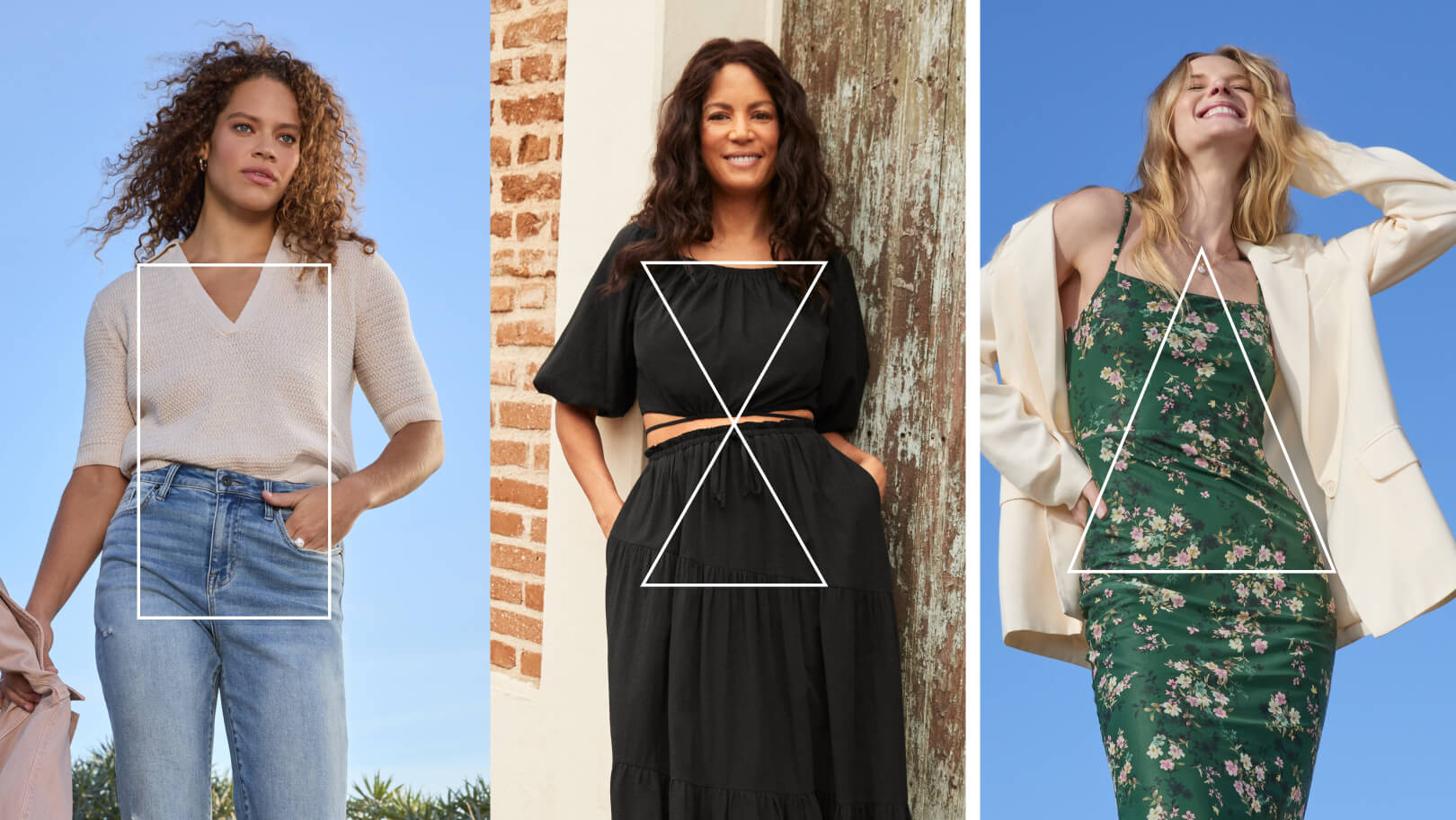
The secret to exceptional style does not lie in following every passing fashion trend or purchasing the most expensive designer labels. Instead, the foundation of looking polished, confident, and effortlessly elegant rests entirely on one fundamental principle: fit. Clothing that fits properly honors your natural silhouette, balances your proportions, and highlights your favorite features.
Many people experience frustration when shopping because garments off the rack rarely fit perfectly without a basic understanding of body geometry. Standard clothing sizes are based on generalized manufacturing averages, not the beautiful diversity of actual human forms. By identifying your unique body shape and learning the specific tailoring techniques that complement it, you can transform the way clothing sits on your frame. This comprehensive guide breaks down the core body types and provides actionable strategies to ensure you always find the perfect clothing fit.
Understanding the Core Body Shapes
To dress effectively, you must first understand the geometric balance of your frame. Body shape is determined by bone structure and genetics, not weight. The goal of dressing for your shape is to create visual harmony, which often means using clothing to create the optical illusion of an aligned silhouette.
The Rectangle Shape
The rectangle body type, often referred to as an athletic or straight frame, is characterized by balanced proportions where the shoulders, bust, and hips are of relatively equal width. Individuals with this shape typically possess a subtle or undefined waistline.
The Hourglass Shape
The hourglass figure is defined by symmetry. In this silhouette, the bust and hip measurements are roughly equal in width, contrasted by a significantly narrower, well-defined waistline.
The Pear Shape
The pear shape, or triangle silhouette, features hips and thighs that are noticeably wider than the shoulders and bust. Individuals with this shape often have a defined waist and elegant, delicate arms and shoulders.
The Inverted Triangle Shape
The inverted triangle silhouette is the exact opposite of the pear shape. It features broad shoulders and a prominent bust that taper down to narrower hips, a subtle waist, and slender legs.
The Apple Shape
The apple shape, or round silhouette, carries weight primarily through the upper torso, chest, and midsection. Individuals with this body type often feature a full bust, an undefined waist, and exceptionally lean, well-proportioned legs and arms.
Tailoring Strategies for Each Unique Frame
Once you recognize your baseline silhouette, you can utilize specific garment cuts, fabric weights, and structuring details to optimize how clothing hangs on your body.
Styling the Rectangle Silhouette
The primary styling objective for a straight or rectangle frame is to break up the linear structure and create the illusion of curves and dimension.
-
Define the Waist: Utilize wide or contrasting belts to cinch dresses and oversized blazers at the narrowest part of your torso.
-
Introduce Volume: Look for tops with ruffles, peplum details, puff sleeves, or breast pockets to add dimension to the upper body.
-
Opt for Varied Bottoms: A-line skirts, flared denim, and wide-leg trousers add movement and weight to the lower half, creating a starker contrast with the waist.
Styling the Hourglass Silhouette
For an hourglass frame, the objective is not to alter the proportions but to honor the natural symmetry without letting excess fabric overwhelm the shape.
-
Embrace Form-Fitting Cuts: Wrap dresses, tailored sheath dresses, and fitted bodysuits beautifully highlight natural curves.
-
Choose High-Waisted Elements: High-rise trousers and pencil skirts lock onto the natural waistline, emphasizing the balance between the torso and hips.
-
Keep Necklines Open: V-neck, scoop, and sweetheart necklines prevent the chest area from looking boxed in or overly heavy.
Styling the Pear Silhouette
To balance a pear-shaped body, the focus centers on drawing visual attention upward to the shoulders and chest while minimizing friction around the hips.
-
Highlight the Shoulders: Boatneck tops, off-the-shoulder styles, and structured blazers with subtle shoulder padding widen the upper frame to match the hips.
-
Select Fluid Bottoms: Skirts and trousers crafted from fluid, draping fabrics that skim over the hips rather than clinging tightly provide a clean line.
-
Incorporate Statement Tops: Bright colors, bold patterns, and detailed jewelry worn on the upper half of the body naturally draw the eye upward.
Styling the Inverted Triangle Silhouette
Balancing an inverted triangle requires adding visual volume and widening the lower half of the body to counteract the natural breadth of the shoulders.
-
Focus on Flared Bottoms: Wide-leg pants, pleated skirts, cargo trousers, and boyfriend denim add necessary bulk and structure to the lower legs.
-
Utilize V-Shape Necklines: Deep V-necks and vertical open collars visually slice through broad shoulders, minimizing horizontal breadth.
-
Keep Tops Minimal: Stick to solid, dark colors and clean, unadorned shoulder seams on your upper garments to maintain simplicity.
Styling the Apple Silhouette
The strategy for an apple shape involves lengthening the torso and drawing attention down toward the legs or up toward the face, bypassing the midsection.
-
Invest in Empire and Shift Silhouettes: Dresses that flow directly from just beneath the bust line or hang straight down in a shift style prevent fabric from clinging tightly to the stomach.
-
Showcase Your Legs: Shorter hemlines, tunics paired with slim-cut trousers, and elegant footwear leverage the lean proportions of your lower half.
-
Wear Monochromatic Columns: Dressing in a single color or wearing an unbuttoned structured jacket over a contrasting base creates long vertical lines that elongate the entire body.
Fabric Dynamics and the Importance of Alterations
No matter how accurately you select garments for your body type, the material composition and post-purchase adjustments dictate the ultimate success of the fit.
The Role of Fabric Weight
Stiff, heavy fabrics like thick raw denim, heavy wool, and rigid canvas add structure and bulk to a silhouette. These are excellent for creating shapes where they do not naturally exist. Conversely, lightweight, fluid fabrics like silk, rayon, and fine jersey follow the contours of the body faithfully, making them ideal for showcasing natural curves or skimming smoothly over areas you prefer not to emphasize.
The Magic of Professional Tailoring
It is vital to accept that buying off the rack is merely step one. The world’s most stylish individuals rarely wear clothing straight from a store window. Finding a skilled local tailor is the ultimate shortcut to immaculate style. Simple, inexpensive adjustments—such as shortening a hem, taking in the waist of a pair of jeans, or shortening jacket sleeves—can make a budget-friendly garment look custom-made specifically for your anatomy.
Frequently Asked Questions
Can my body type change over time if I gain or lose weight?
Your foundational body shape is determined by bone structure, genetics, and where your body naturally stores fat cells. While weight fluctuations will alter your overall size, your core silhouette generally remains the same. For example, a pear shape will still carry a higher proportion of weight in the hips and thighs relative to the shoulders, even at a lower or higher weight.
How do I measure my body accurately to determine my shape?
To find your measurements, use a flexible cloth tape measure and stand in front of a full-length mirror wearing minimal clothing. Measure the widest part of your shoulders, the fullest part of your bust, the narrowest part of your waist, and the widest part of your hips. Keep the tape parallel to the floor and snug against your skin without pulling it tightly enough to indent the flesh.
What jeans cut is considered universally flattering for all body shapes?
A classic mid-to-high-rise straight-leg jean is widely considered the most universally flattering denim cut. It offers enough structure to hold its shape, provides balance by descending straight from the hip to the ankle, and avoids the extreme tapering of skinny jeans or the extreme volume of wide-leg options.
How can I tell if a shirt sleeve fits properly at the shoulder?
A properly fitting shoulder seam on a traditional shirt, blouse, or blazer should sit exactly where your natural shoulder ends and your arm begins. If the seam droops down onto your upper arm, the garment is too large and will look sloppy. If the seam pulls inward toward your neck, the garment is too small, which restricts movement.
Are there specific guidelines for short or petite individuals within these body types?
If you are petite, the primary goal regardless of body shape is elongation. Avoid oversized, shapeless garments that overwhelm your height. Opt for high-waisted bottoms to make your legs appear longer, choose monochrome outfits to build a seamless vertical line, and ensure that sleeve and pant hems are tailored precisely to avoid bunching.
What should I do if my top and bottom halves belong to two different sizes?
It is incredibly common to require a different size for your upper and lower body. When purchasing unstructured items or sets, always buy the size that fits the largest part of your body comfortably, and then have a professional tailor take in the excess fabric on the smaller section. Never force yourself into a smaller size that pulls or pinches.
Comments are closed.