

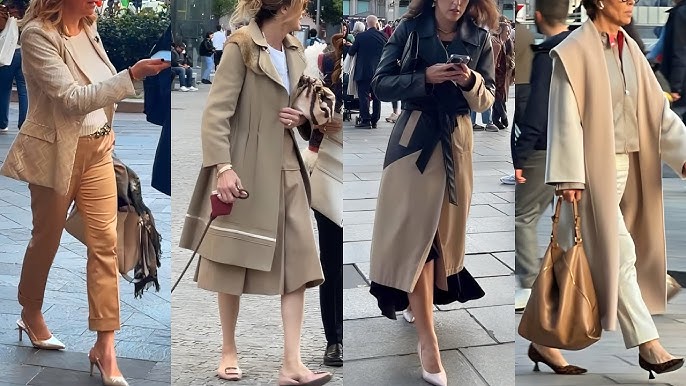
Fashion trends evolve at a dizzying pace, but the fundamental principles of style remain remarkably consistent. One of the most powerful principles is the transformative power of accessories. You can wear a simple white t-shirt and a pair of classic denim jeans, but the moment you introduce a structured leather belt, a pair of statement earrings, or a tailored blazer, the entire aesthetic shifts.
Accessories are the punctuation marks of fashion. They give your outfit context, direction, and personality. Without them, even the most expensive designer clothing can look incomplete. With them, a budget-friendly wardrobe can look incredibly luxurious. This comprehensive guide explores how to master the art of accessorizing, ensuring you always look polished, intentional, and effortlessly stylish.
The Core Philosophy of Accessorizing
Before diving into specific categories of accessories, it is essential to understand the underlying philosophy of how to use them. The most common mistake people make is viewing accessories as an afterthought—something thrown on right before walking out the door. Instead, accessories should be an integral part of the outfit planning process.
The Focal Point Rule
Every great outfit needs a focal point, a singular place where the eye naturally lands. When styling an ensemble, decide whether your clothing or your accessories will take center stage. If you are wearing a bold, patterned dress, your accessories should be minimalist and supportive. Conversely, if you are wearing a monochromatic, neutral suit, your accessories can be vibrant, oversized, or highly detailed.
Balance and Proportion
The scale of your accessories should complement both your body frame and the silhouette of your clothing. Large, chunky jewelry can overwhelm a petite frame or a delicate silk blouse. On the other hand, tiny, delicate necklaces can get lost against heavy winter knits or oversized outerwear. Aim for a harmonious balance where the weight of the accessory matches the texture and volume of the garment.
Jewelry: The Ultimate Style Signifier
Jewelry is often the first thing people notice, as it sits close to the face and hands—areas naturally involved in human interaction. Mastering jewelry application involves understanding materials, layering, and occasion appropriateness.
Metal Mixing and Matching
The old rule dictated that you must never mix gold and silver. Modern style rules have entirely debunked this myth. Mixing metals looks contemporary and deliberate, provided it is done with intention.
To mix metals successfully:
-
Choose a dominant metal that makes up about seventy percent of your look.
-
Use the secondary metal as an accent.
-
Look for pieces that inherently combine both metals, such as a two-tone watch, to serve as a bridge between the different elements.
The Art of Layering Necklaces
Layering necklaces creates visual depth and can elongate your neck. The key to a successful layer lies in varying the lengths, weights, and textures of the chains. Start with a short, delicate base chain that sits near the collarbone. Add a medium-length chain with a small pendant, and finish with a longer, heavier chain. Ensuring there is a gap of at least one to two inches between each piece prevents tangling and creates a clean, cascading effect.
Statement vs. Everyday Jewelry
Every wardrobe needs a clear distinction between daily signature pieces and statement items. Everyday jewelry includes high-quality, durable items like small gold hoops, a classic timepiece, or a simple band ring. Statement jewelry includes oversized cocktail rings, chandelier earrings, or chunky collar necklaces. When wearing a statement piece, keep all other jewelry minimal to avoid looking cluttered.
Belts: Structuring the Silhouette
Belts are frequently underutilized, often viewed strictly for the functional purpose of holding up pants. In reality, a belt is one of the most effective tools for defining your silhouette and altering the proportions of an outfit.
Defining the Waist
Oversized and boxy silhouettes are incredibly comfortable, but they can occasionally wash out your natural shape. Adding a wide leather belt to a billowing maxi dress or an oversized blazer instantly creates an hourglass figure. This draws the eye inward, creating a structured, intentional silhouette out of an otherwise loose garment.
Texture and Hardware Contrast
A belt offers an excellent opportunity to introduce new textures into a look. If you are wearing a smooth wool trousers and a cotton button-down shirt, a mock-croc or snake-skin embossed leather belt adds instant visual interest. Pay close attention to the buckle hardware; a polished brass or matte black buckle can tie together the other hardware elements in your outfit, such as your bag straps or shoe buckles.
Bags: Balancing Function and Form
A bag is arguably the most functional accessory you will carry, but it also carries immense stylistic weight. The wrong bag can completely disrupt the vibe of an otherwise perfect outfit.
Matching the Vibe, Not Just the Color
Matching your bag directly to your shoes is a classic approach, but modern styling favors matching the attitude of the outfit instead. For instance, if you are wearing a casual, utilitarian utility jacket and sneakers, a highly structured, glossy patent leather handbag will look out of place. A canvas tote or a soft leather crossbody would be a far better fit. Save the structured bags for tailored coats, blazers, and formal wear.
Size Matters
The size of your bag should dictate the environment you are entering. Large totes and backpacks are ideal for daytime, work, and travel because they communicate utility. For evening events, dinners, or formal gatherings, transition to smaller clutches, micro-bags, or small shoulder bags. Carrying a massive everyday tote to a formal dinner breaks the elegance of the evening aesthetic.
Footwear: The Foundation of the Look
Shoes can completely change the direction of an outfit. You can take the exact same midi skirt and knit top, pair it with white leather sneakers, and you have a perfect weekend brunch outfit. Swap those sneakers for pointed-toe knee-high boots, and the outfit instantly transforms into a sophisticated look suitable for a creative office or a night out.
The Power of the Toe Shape
The shape of your shoe’s toe plays a massive role in elongation. Pointed-toe shoes, whether flats, heels, or boots, naturally extend the visual line of your legs, making you look taller and leaner. Round-toe shoes offer a softer, more youthful, and casual appearance. Square-toe shoes lean heavily into retro or ultra-modern aesthetics. Choose the toe shape that aligns with the overall message of your outfit.
Comfort as a Style Element
An often-overlooked aspect of style is comfort. If you cannot walk comfortably in a pair of towering heels, the resulting poor posture and visible discomfort will instantly ruin the elegance of your outfit. Invest in high-quality flats, loafers, block heels, and sneakers that offer both structural support and high-end design.
Scarves, Hats, and Eyewear: The Finishing Touches
These accessories sit directly on or near your face, making them incredibly impactful tools for personal expression.
Scarves Beyond the Winter Months
Scarves are not just for freezing temperatures. Lightweight silk or linen scarves can be worn year-round. A small silk neckerchief tied loosely around the neck adds a touch of Parisian chic to a plain white tee. Alternatively, you can tie a colorful silk scarf around the handle of a neutral handbag to add a pop of color without committing to a bright garment.
Eyewear as a Constant Accessory
Sunglasses and optical glasses are functional necessities that double as major style statements. The key is finding frames that contrast with your face shape. If you have a round face, angular and square frames will add structure. If you have a sharp, angular jawline, round or oval frames will soften your features. Treat your eyewear as a deliberate choice rather than a functional afterthought.
The Golden Rules of Styling Accessories
To ensure you never cross the line from perfectly styled to overly cluttered, keep these final three rules in mind:
-
The Take-One-Off Rule: Made famous by Coco Chanel, this rule suggests that before you leave the house, look in the mirror and remove one accessory. It prevents over-accessorizing and ensures your look remains clean.
-
Invest in Quality Over Quantity: A few pieces of high-quality, genuine leather goods and tarnish-free jewelry will always look better than a mountain of cheap, peeling synthetic leather and fading plastic jewelry.
-
Keep Subtlety in Mind: Accessories should enhance you, not wear you. If the accessory is the only thing people see when they look at you, it is dominating the conversation rather than contributing to it.
Frequently Asked Questions
Can I wear silver and gold jewelry together at the same time?
Yes, you can absolutely wear silver and gold together. The contemporary approach to jewelry encourages mixing metals. To make it look intentional rather than accidental, try to ensure both metals are represented in balanced amounts throughout your look, or wear a single piece that features both metals to tie the look together.
How do I choose the right belt width for my body type?
Generally, wider belts (two inches or more) look excellent on longer torsos because they break up the space efficiently and highlight the waist. If you have a shorter torso, a thinner, more delicate belt (one inch or less) is preferred, as it defines the waist without consuming too much vertical space on your frame.
Should my shoes always match the color of my handbag?
No, your shoes and bag do not need to match exactly. While matching them is a safe, traditional choice, it can sometimes look overly formulaic. Instead, aim to match the undertones or the overall vibe of the materials. For example, pairing a brown suede bag with tan leather boots works beautifully without being identical.
How can I accessorize a plain black dress for a formal event versus a casual day out?
For a formal event, elevate a plain black dress with statement crystal or pearl drop earrings, a sleek metallic clutch, and pointed-toe heeled pumps. For a casual day out, style the exact same dress with a denim jacket, a canvas crossbody bag, a straw sun hat, and clean white casual sneakers.
What type of jewelry works best with a high neckline or turtleneck?
High necklines provide a solid backdrop that highlights long, dramatic pieces. Opt for long pendant necklaces, bold opera-length chains, or chunky statement cuffs on your wrists. Alternatively, skip the necklace entirely and focus on large, dramatic statement earrings to draw attention upward to your face.
Is it acceptable to wear sunglasses indoors or during overcast days?
While wearing sunglasses indoors is generally considered a social faux pas unless required for medical reasons, wearing them on overcast days is perfectly acceptable. Overcast skies still produce significant UV rays and glare, making sunglasses a practical choice that also maintains your stylistic edge outdoors.
Comments are closed.