

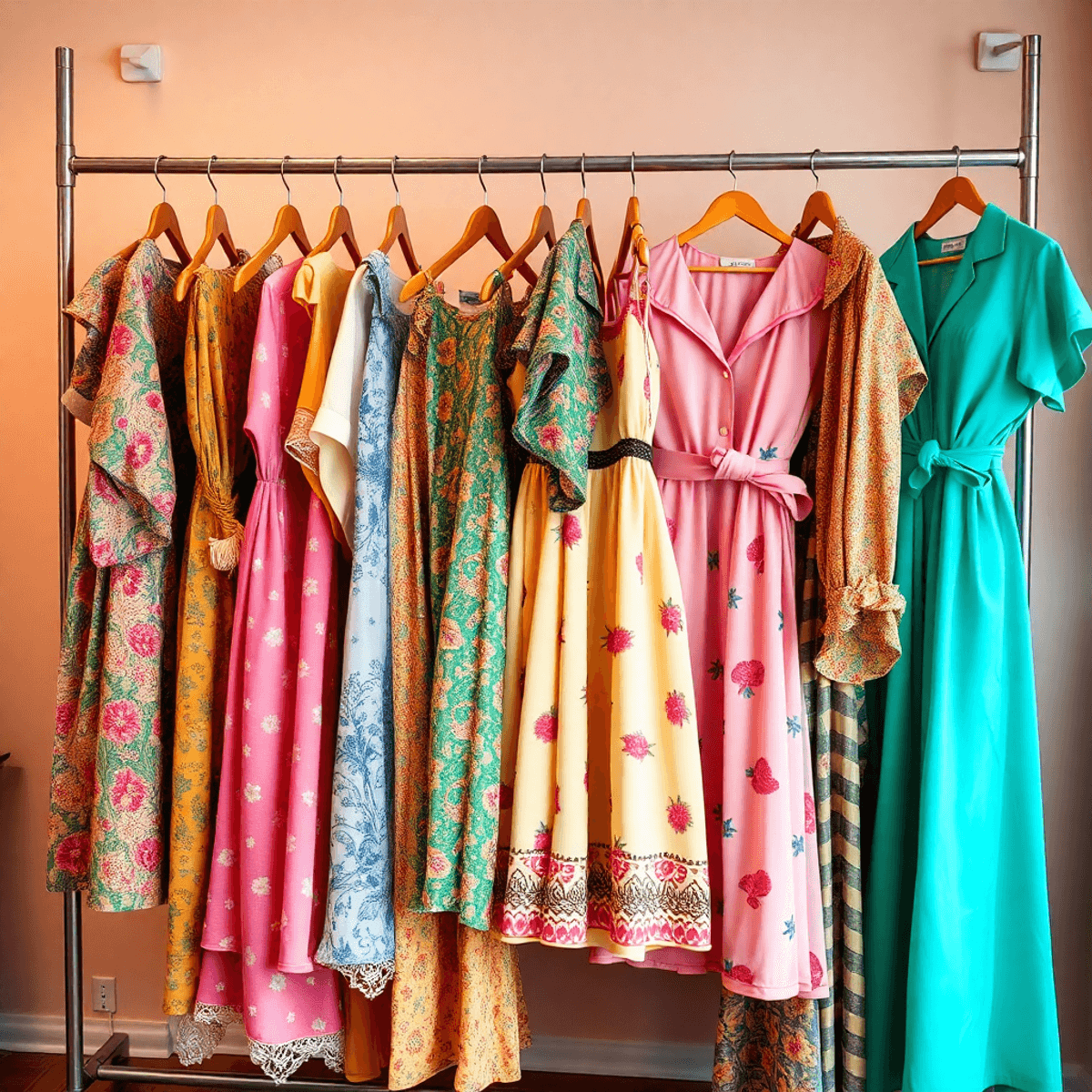
Finding true vintage treasures online can feel like searching through a well-curated attic—full of charm, nostalgia, and history. Whether you’re hunting for retro fashion, mid-century décor, antique jewelry, or rare collectibles, certain online platforms are known for offering genuine vintage pieces from trusted sellers. Below is a guide to the best places where authenticity and quality matter.
Top Online Marketplaces for Authentic Vintage Items
1. Etsy
Etsy is one of the most popular places for vintage enthusiasts. The platform hosts thousands of indie sellers specializing in clothing, jewelry, art, and décor that are at least 20 years old.
Why it’s ideal for vintage shoppers:
- Large selection of curated vintage categories
- Custom filters to narrow down specific eras
- Transparent seller reviews and item details
2. eBay
eBay remains a classic choice for vintage and antique hunters. It offers auctions and direct purchases, making it perfect for scoring rare finds.
What makes it valuable:
- Massive global inventory
- Auction format helps uncover unique bargains
- Detailed condition grading on many listings
3. Chairish
Chairish is a refined marketplace known for vintage home décor, furniture, and art. Listings are reviewed for quality before appearing online.
Best features:
- High-end mid-century and antique selections
- Professionally photographed items
- Trusted sellers and vetted quality
4. Ruby Lane
Ruby Lane focuses heavily on antiques, collectibles, fine art, and vintage jewelry. It attracts dedicated collectors and reputable dealers.
Why collectors trust it:
- Strong emphasis on authenticity
- Expert-level item descriptions
- Specializes in rare and high-value vintage items
5. Depop
Depop blends vintage shopping with a social media experience. It’s especially popular for retro clothing, accessories, and Y2K-inspired fashion.
Great for:
- Trendy vintage fashion
- Communicating directly with sellers
- Discovering curated personal shops
6. 1stDibs
1stDibs is known for luxury vintage items—from designer furniture to estate jewelry. It partners with galleries and professional dealers worldwide.
Reasons to explore:
- High-end, authenticated collections
- Museum-quality antiques and décor
- In-depth seller verification
7. ThredUP (Vintage Section)
While ThredUP focuses mainly on secondhand clothing, its dedicated vintage section features authentic retro garments from past decades.
Highlights:
- Affordable vintage fashion
- Verified brand listings
- Sustainable shopping experience
8. Specialized Niche Stores
Many independent online boutiques curate niche categories of vintage goods.
Common finds include:
- Vintage band tees
- Retro cameras and electronics
- Antique books and homeware
These smaller stores often provide detailed item histories and expert insights into each piece’s origin.
Tips for Buying Authentic Vintage Items Online
Read Item Descriptions Carefully
Vintage items should include clear details about:
- Era or estimated age
- Materials and condition
- Brand markings or maker notes
Study Seller Ratings
Trusted sellers with consistent feedback are essential for avoiding replicas or misrepresented items.
Ask About Provenance
When buying high-value antiques or jewelry, request information about the item’s origin, previous ownership, or certificates when applicable.
Inspect Photos Closely
Zoom in on stitching, labels, hallmarks, and wear patterns to ensure authenticity.
Be Patient
The best vintage finds often require time and browsing. New listings appear daily, making persistence worthwhile.
Frequently Asked Questions (FAQ)
1. How can I tell if a vintage item is genuine?
Look for accurate age descriptions, brand tags, maker marks, signs of wear consistent with age, and seller transparency.
2. Are returns allowed for vintage purchases?
Policies vary. Some platforms allow returns, while many independent sellers offer final sales, so check the details before purchasing.
3. What condition should I expect from true vintage products?
Authentic vintage pieces often show natural wear. Minor imperfections are normal, but descriptions should clearly note any flaws.
4. Can I negotiate prices with vintage sellers?
On platforms like eBay or Depop, you can often make offers. Others may have fixed prices, especially curated boutiques.
5. Is shipping for vintage items more expensive?
Fragile or rare pieces may require special packaging, which can increase costs. Always review shipping details beforehand.
6. Why do some vintage items cost more than new ones?
Rarity, craftsmanship, brand significance, and historical value contribute to higher prices.
7. What types of vintage items hold the best resale value?
Designer fashion, estate jewelry, mid-century furniture, and collectible art often retain or increase their value over time.
If you’d like, I can also create a comparison table of these platforms or tailor recommendations based on the type of vintage items you’re searching for.
Comments are closed.